
About ihussain Library
A library built around a single question.
What did Imam Husayn (a.s) stand for, and what does that ask of us now? ihussain collects the works that take the question seriously — free to read, free to keep, and free of anything that gets in the way of reading.
A Stand With Dignity project

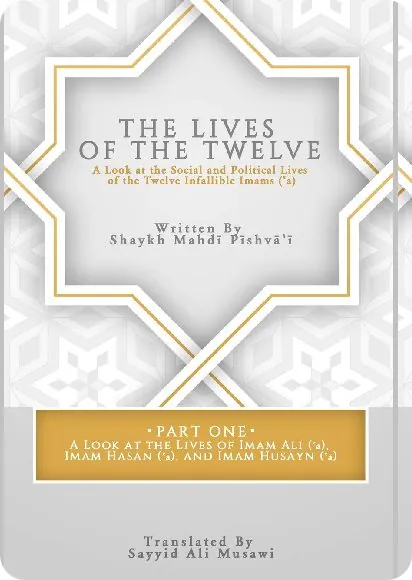
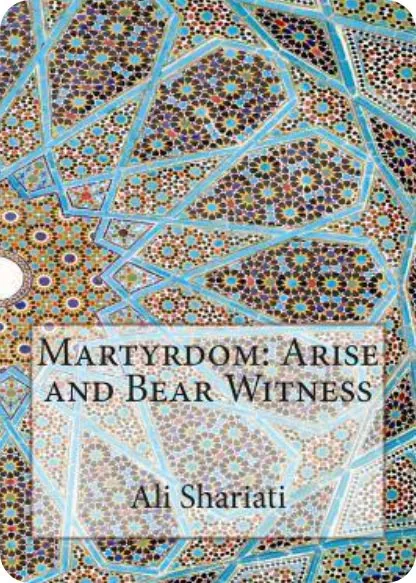
Free to read, free to keep.
No paywall, no advertising and no account needed — every book opens in the browser.
Browse the libraryWhy it exists
Scholarship should not sit behind a paywall.
ihussain Library sets out to understand the tragedy of Karbala as it was lived by Imam Husayn (a.s), his family and his companions — and to draw from it the ethical and moral principles that still hold, then put them to work on the questions people are actually facing.
It began as a folder of PDFs. People kept asking for one more book, then for a way to find the one they half-remembered, then for a way to read it without filling up their phone. This site is the answer to all three: a proper catalogue, search that reaches inside the books, and every title readable in the browser.
Nothing here costs anything. There is no paywall, no advertising, and no account required to read. An account exists only so the library can remember your place and hold the books you mean to come back to.
- FreeCost to read
- NoneAdvertising
- NoAccount needed
- YesReads in the browser
- YesWorks offline
- English, UrduLanguages
- Cost to read
- Free
- Advertising
- None
- Account needed
- No
- Reads in the browser
- Yes
- Works offline
- Yes
- Languages
- English, Urdu
The single largest body of work belongs to Syed Ali Naqi Naqvi.
I have risen to make known the signs of Thy religion, and bring about reform in Thy cities, so that Thy servants who have been oppressed may live in security.IMAM HUSAYN (A.S)
This is the sentence the collection is organised around. Every subject below is, in the end, a way of asking what it means.
What it holds
Karbala, and everything that leads to and from it.
- 01
From pre-Islamic Arabia onward
The ground Karbala grew from — the caliphates of Abu Bakr, Umar and Uthman, the caliphate of Imam Ali, and the settlement between Imam Hasan and Muawiya.
- 02
Karbala as it was lived
The tragedy as experienced by Imam Husayn (a.s), his family and his companions — the maqtal literature, the mourning traditions, and the scholarship that reads it as an argument rather than only as grief.
- 03
Intrafaith and interfaith
Works that speak across the Islamic traditions, and works that speak between faiths — including Jesus Christ in Shi‘ite narration.
- 04
The questions being asked now
Islamophobia and the law, gender and family, identity and diaspora, Muslims in America, faith under modern conditions.
How it works
Built to be read, not just downloaded.
An honest caveat. Every book opens as its printed pages, scanned from the original. That is faithful to the source, but it means the text cannot be resized or searched from inside a book. Searching across the library by title, author and subject works as you would expect; searching within a book does not, and we would rather say so than pretend otherwise.
The people behind it
Stand With Dignity
The library is a project of Stand With Dignity, a campaign that describes itself as raising awareness about the state of humanity in our lives, and asks plainly: what do we stand for, and what values would we fight for?
Its answer begins with a stand taken roughly fourteen hundred years ago, and treats Imam Husayn (a.s) as an exemplar available to anyone looking for a guide — in compassion, selflessness, charity and moral leadership.
Alongside this library they publish articles, videos and podcasts, run volunteer and advocacy work, answer questions put to them by readers, and organise community events including the Arbaeen Walk.
Death with dignity is better than a life of humiliation.
HUSAYN IBN ALI
On the texts
Works are collected from publishers, translators and institutions who make them freely available, and they remain the property of their authors and publishers. If you hold rights to a text here and would like it amended or removed, write to us and we will act on it.
Help it grow
Suggest a book, report a bad scan, volunteer a translation, or support the hosting costs. The collection grows because people send things in — and ihussain Library says openly that if a subject is missing, it wants to hear about it.
Get in touch
We read everything that comes in.
husayn@standwithdignity.org+1 (609) 301-0410PO Box 6262, Monroe Twp, NJ 08831