
A structured path
Hawza Studies, in the order they are studied.
Are you intrigued by Shi‘i Islam but unsure where to begin your studies? This guide is a starting point: English-language resources that can help you explore this rich tradition.
The syllabus
Fourteen disciplines, one after another.
- 01Usul al-Fiqh6 books
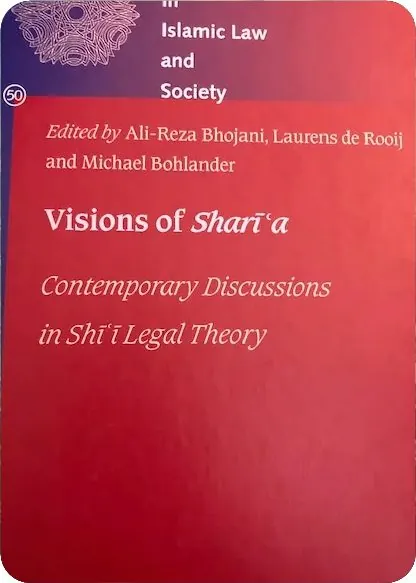
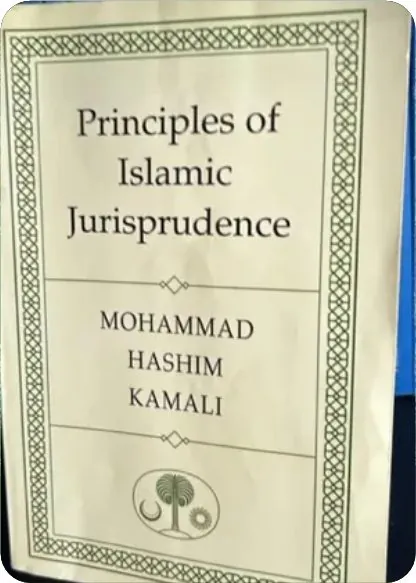
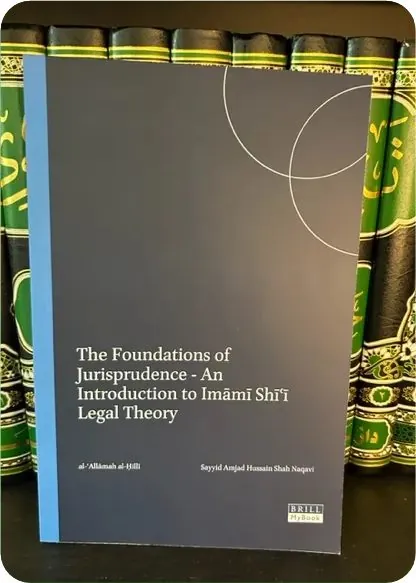
The principles behind the law rather than the rulings themselves — how a jurist reasons from text to judgement, and what counts as valid evidence.
01Usul al-Fiqh
- 02Mysticism / Irfan3 books
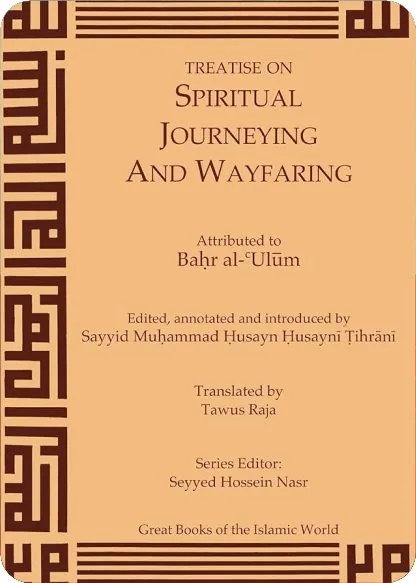
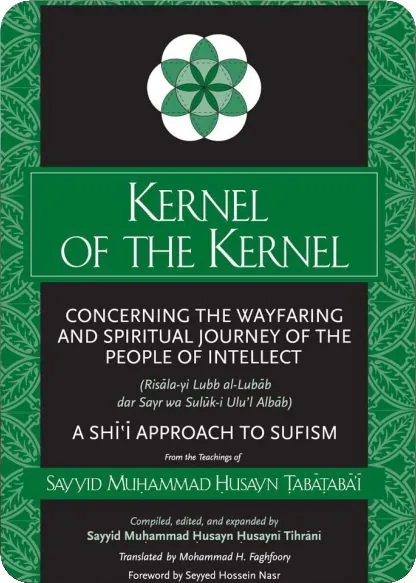
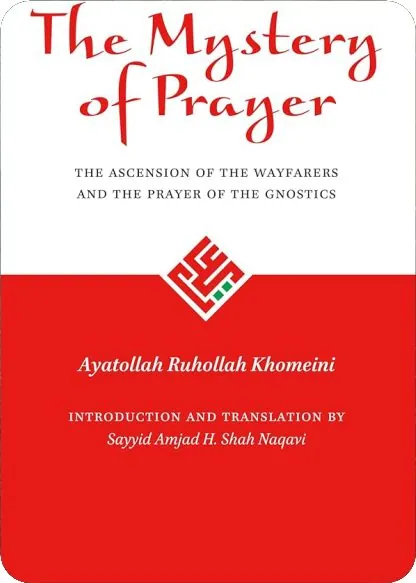
The inward path: wayfaring, the stations of the soul, and the knowledge that comes by unveiling rather than argument.
02Mysticism / Irfan
- 03Hadith4 books
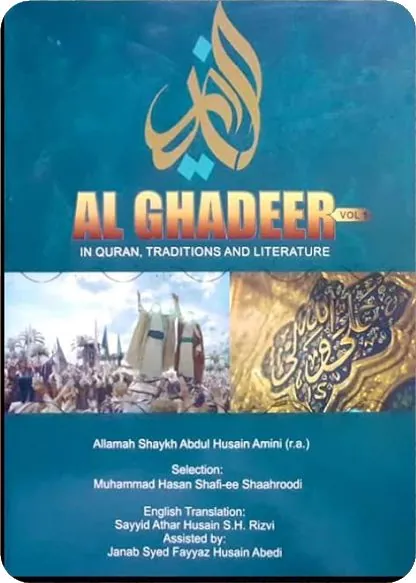
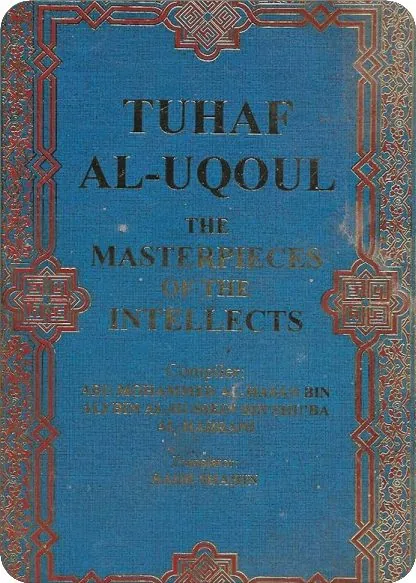
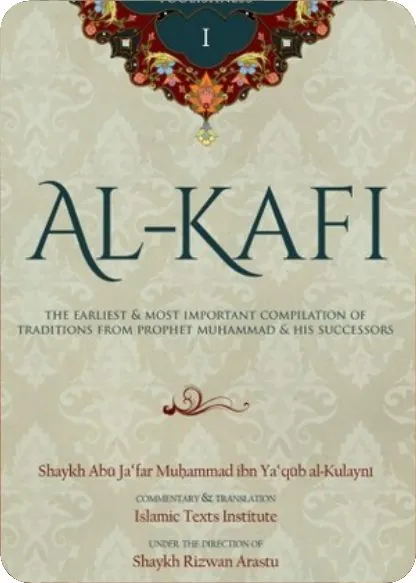
The narrations themselves — the sayings and conduct of the Prophet and the Imams, and the collections that preserve them.
03Hadith
- 04Hadith Science1 book
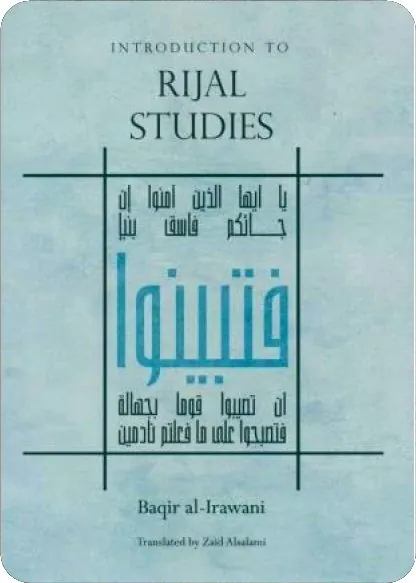
How a narration is weighed: chains of transmission, the reliability of narrators, and the criteria that separate the sound from the weak.
04Hadith Science
- 05Tafsir StudiesComing soon
The commentary tradition itself — how the Qur’an has been explained verse by verse, from the narrations of the Imams to the modern exegetes.
05ComingTafsir Studies
- 06Quran Studies2 books
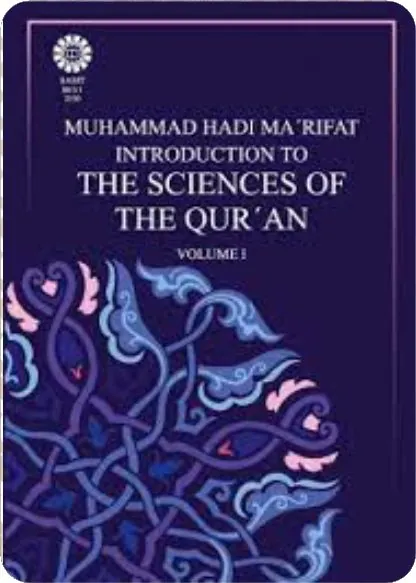
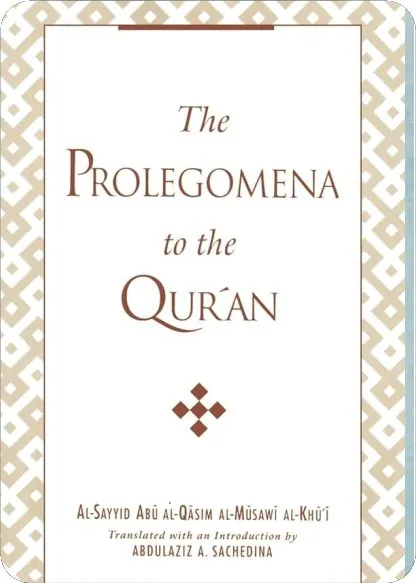
Revelation, its ordering and its interpretation — the disciplines that surround the text before a single verse is explained.
06Quran Studies
- 07Theology2 books
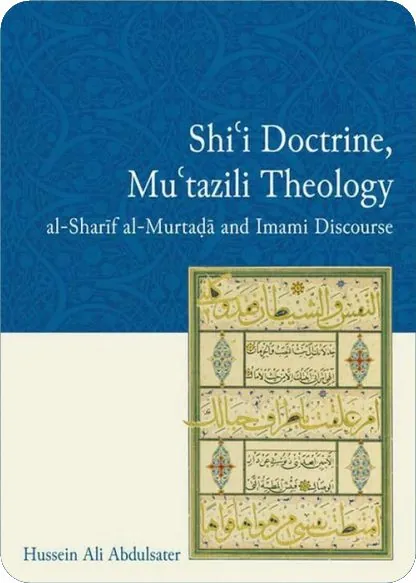
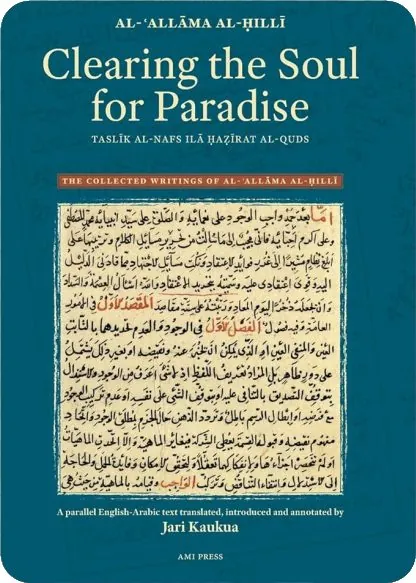
Kalam: the rational defence of belief. God’s unity and justice, prophethood, imamate and the arguments that establish them.
07Theology
- 08Biographies of Holy Figures7 books
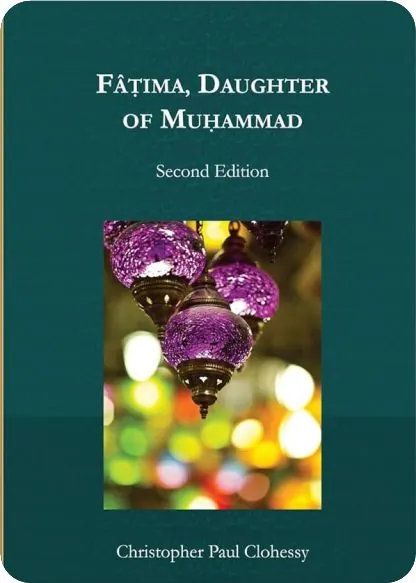
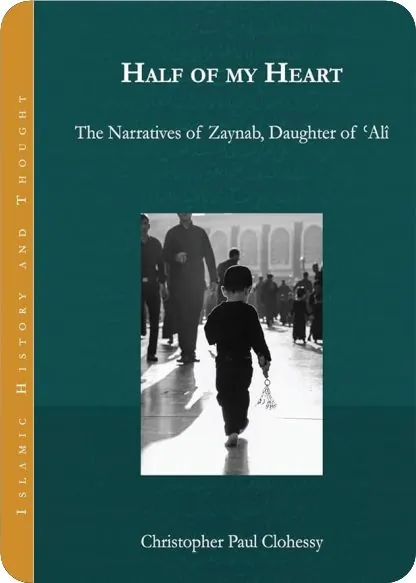
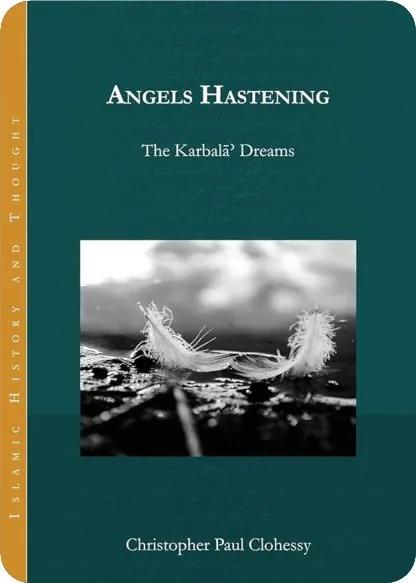
The lives themselves — the Prophet, Fatima and the Imams — read as history and as a model for conduct.
08Biographies of Holy Figures
- 09Philosophy2 books
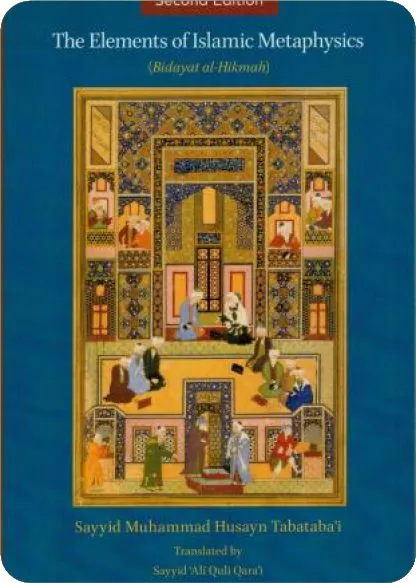
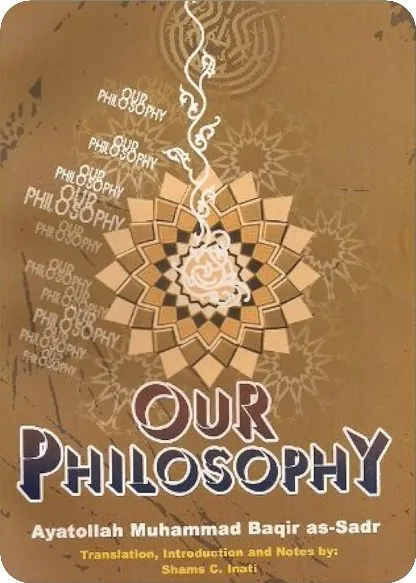
Islamic metaphysics: existence, causation and the soul, in the tradition running from Ibn Sina through Mulla Sadra.
09Philosophy
- 10Day of Judgement1 book
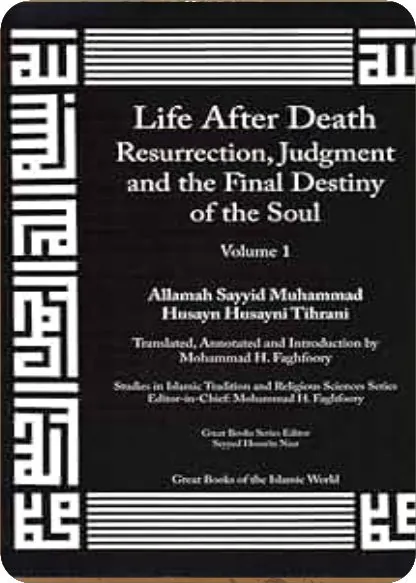
Eschatology — death, the intermediate realm, resurrection and the reckoning, and what the sources say awaits.
10Day of Judgement
- 11Miscellaneous1 book
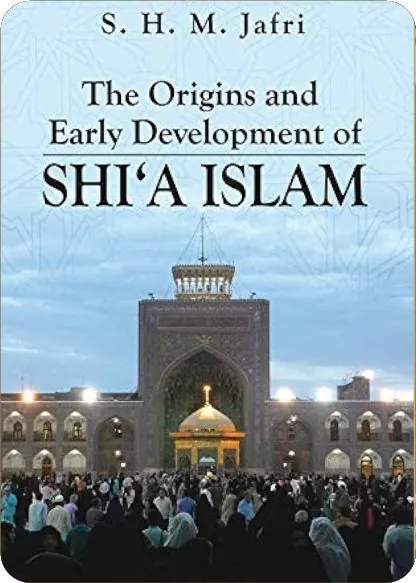
Working material that sits outside the numbered disciplines.
11Miscellaneous
- 12Arabic Resources2 books
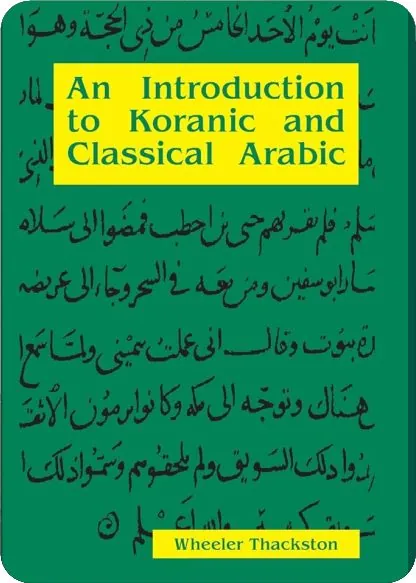
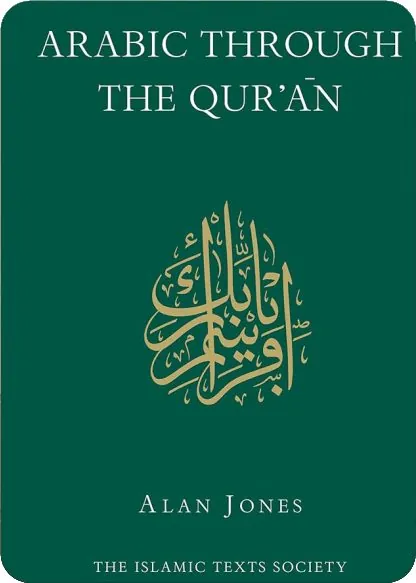
Grammar and morphology for students reading the sources in the original rather than in translation.
12Arabic Resources
- 13Dictionaries2 books
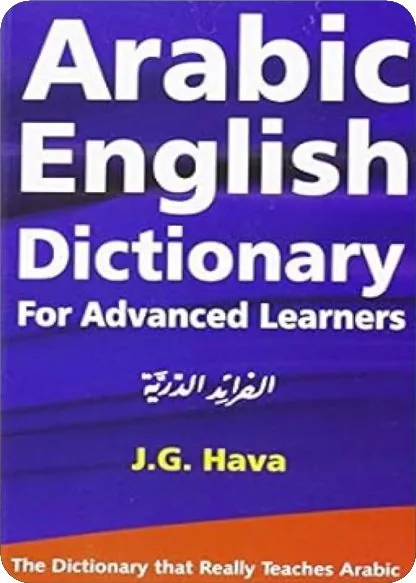
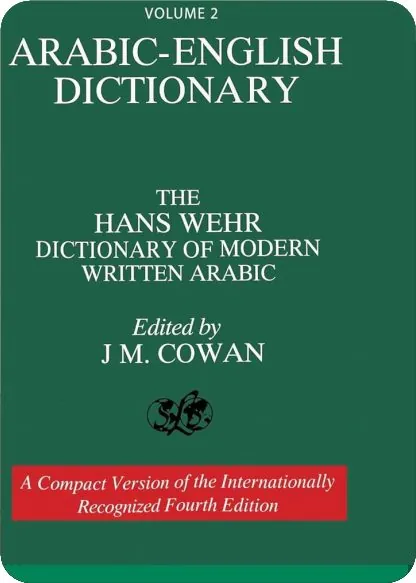
Lexicons for classical and Qur’anic Arabic.
13Dictionaries
- 14Arabic Poetry & Rhetoric2 books
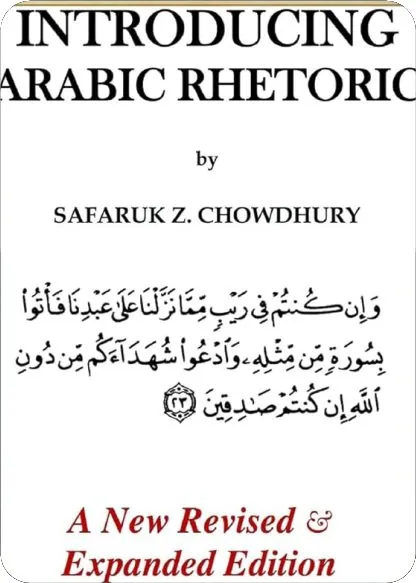
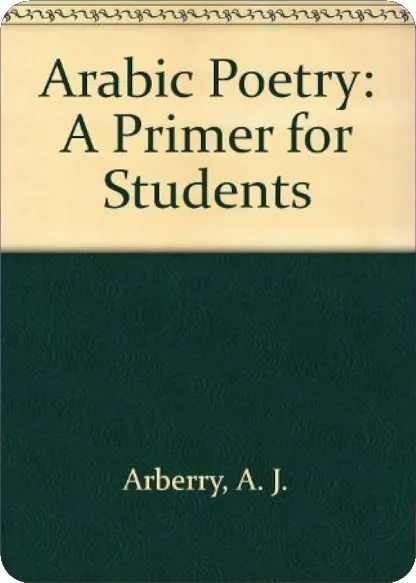
Balagha and the poetic tradition — the eloquence a student needs in order to hear the sources as their audiences did.
14Arabic Poetry & Rhetoric
A guide to English resources
Embarking on your Shi‘i studies journey
While I may not be a scholar myself, I have had the privilege of collecting Islamic books and learning from knowledgeable teachers. What follows introduces some of these resources, with background information and personal insights where relevant.
The resources include
Translated primary sources
Core texts used in the traditional Shi‘i seminaries — the hawzas.
Contemporary studies by Western authors
In-depth explorations of specific topics within Shi‘i Islam.
- 01
Demystifying the hawza experience
Some might question whether attending the prestigious seminaries of Najaf or Qom is essential. While these institutions have produced remarkable scholars, they are not the only path to knowledge.
- 02
Knowledge without borders
Not everyone has the means or opportunity to travel abroad for their studies. That shouldn’t hinder your pursuit of learning. The wealth of English-language material offers a fantastic foundation, even for dedicated students who might one day seek further education in Arabic.
- 03
The importance of Arabic
While fluency in Arabic is crucial for advanced study, it shouldn’t be a barrier to starting your journey now. Many excellent resources are available in English — but Arabic will become increasingly important as you progress. The good news: learning Arabic is achievable, regardless of age or background. People from many countries have acquired strong Arabic for religious study, proving it is never too late to begin.
- 04
Embrace self-directed learning
Most hawza study involves a great deal of independent learning. The core curriculum focuses on legal training, but exceptional scholars delve into many areas beyond it. This path doesn’t require everyone to become a jurist: explore these resources, go deeper into your interests, and enjoy the journey.
This list is not exhaustive — explore further. Begin with level 01.
The syllabus is only part of the shelf.
Everything here also sits in the wider collection, alongside works on Karbala, the Qur’an, history and contemporary life.